Crops Program
We are paving the way for a sustainable future for humanity by developing high-value crops and eco-friendly materials using cutting-edge genome editing technology.
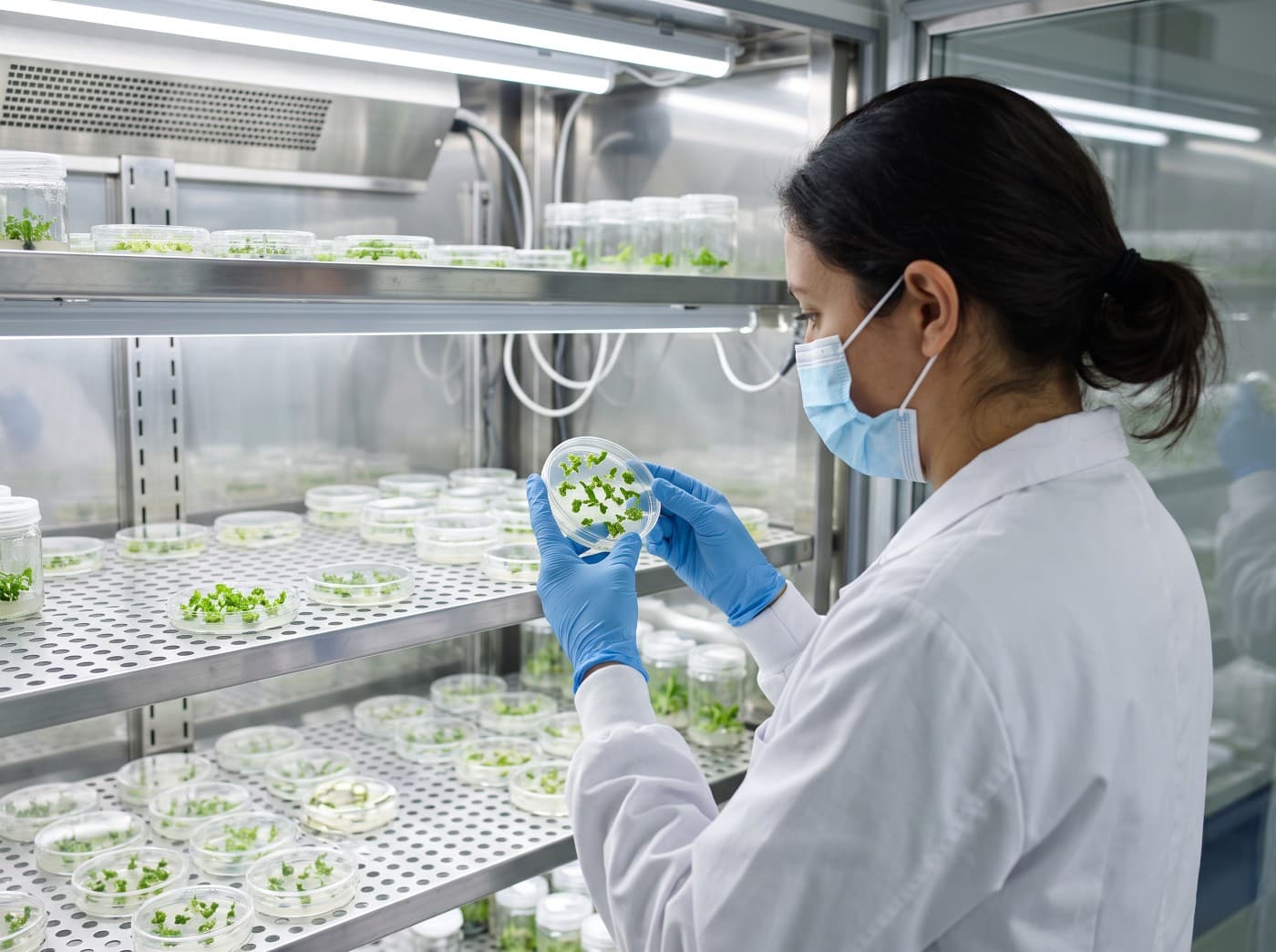
Green Bio: Gene-Edited Plants
Green Bio uses CRISPR technology to precisely modify plant DNA and rapidly develop superior varieties through New Breeding Technologies (NBTs). The platform can produce high-value, transgene-free crops with climate-resilient traits that maintain stable productivity under changing conditions. Through global partnerships, we are advancing GE crops, expanding industrial applications, and helping address food security and climate change.
- Climate-resilient Bioenergy Crop
- CRISPR-Cas9 Genome Editing
- Gene-to-Field Platform
- High Oleic Acid
- Trait Stacking

White Bio: SAF Feedstocks
White Bio develops plant-based feedstocks for eco-friendly materials and sustainable aviation fuel (SAF). Pennycress, camelina and other high-oil, non-food crops support HEFA-based SAF production without competing with food crops. Grown as winter cover crops on existing farmland, they generate additional biomass while protecting soil and storing carbon, making them scalable feedstocks for a carbon-neutral economy.
- Sustainable Aviation Fuel (SAF)
- Lipid Metabolic Engineering
- HEFA Feedstock Optimization
- Feedstock Development
- Pennycress
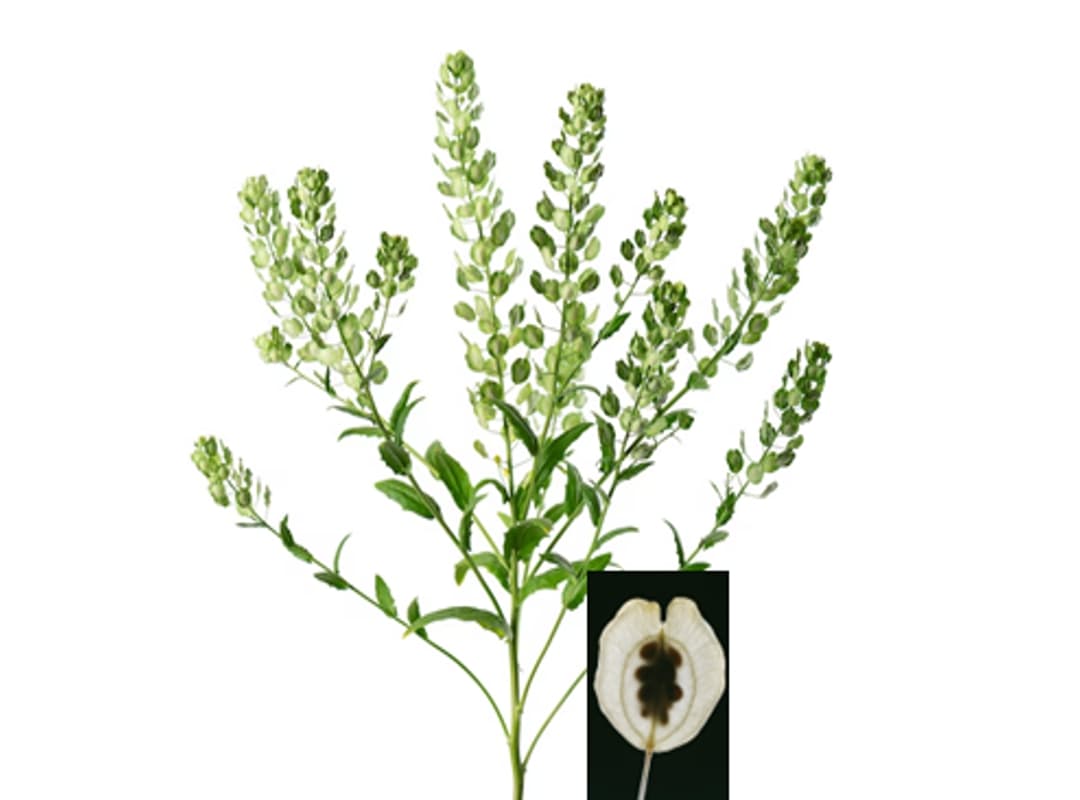
Pennycress for SAF
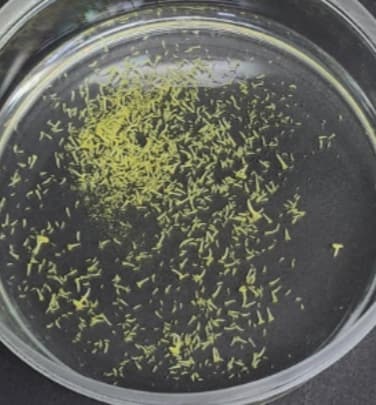
Pennycress is an oil-rich, non-food crop suited for HEFA-based sustainable aviation fuel (SAF). CRISPR-Cas editing can increase oil content and promote earlier flowering, enhancing its value as a SAF feedstock. Grown as a winter cover crop, Pennycress avoids competition with food production while reducing soil erosion and storing carbon. Our projects focus on improving its oil quality, yield, and commercial viability.
- Cover Crop-based SAF Feedstock
- Next-generation Bioenergy Crop
- High Yield & Rapid Germination
- Non-food Oil Crop
- High Oil Content
Microspore-Based Biolistic Gene Delivery Platform
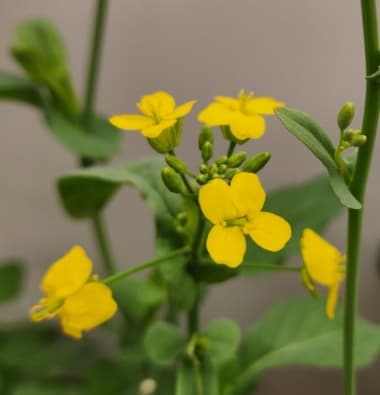
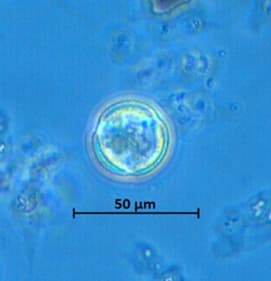
The Microspore-Based Biolistic Gene Delivery Platform uses particle bombardment to deliver RNPs or DNA directly into haploid microspores or microspore-derived tissues. By integrating gene editing with doubled haploid (DH) technology, it enables the development of “edited and fixed” lines within a single generation, significantly shortening breeding timelines for crops such as canola, camelina and Indian mustard.
Climate Resilience
| Project | Editing by transformation | Callus induction | Shoot induction | Regenerant secured | Selection of edited individual | T generation secured | Efficacy test & selection | L/O |
|---|---|---|---|---|---|---|---|---|
Drought-Tolerant Pepper | ||||||||
Drought-Tolerant Corn | ||||||||
Drought-Tolerant Soybean | ||||||||
Drought-Tolerant Canola | ||||||||
Agricultural Productivity
| Project | Editing by transformation | Callus induction | Shoot induction | Regenerant secured | Selection of edited individual | T generation secured | Efficacy test & selection | L/O |
|---|---|---|---|---|---|---|---|---|
Herbicide-Tolerant Soybean | ||||||||
High-Yield Canola | ||||||||
Biofuel/SAF Feedstocks
| Project | Editing by transformation | Callus induction | Shoot induction | Regenerant secured | Selection of edited individual | T generation secured | Efficacy test & selection | L/O |
|---|---|---|---|---|---|---|---|---|
Biofuel Pennycress | ||||||||
Partnered with